To learn more about the diaspora mobilization team and how God can use your past cross-cultural experiences among diaspora communities in North America, visit dmcollective.org or email us at [email protected].
Already engaged in diaspora ministry in North America? If so, please tell us more: https://welcome.imb.org/Diaspora-Ministry-North-America.html.
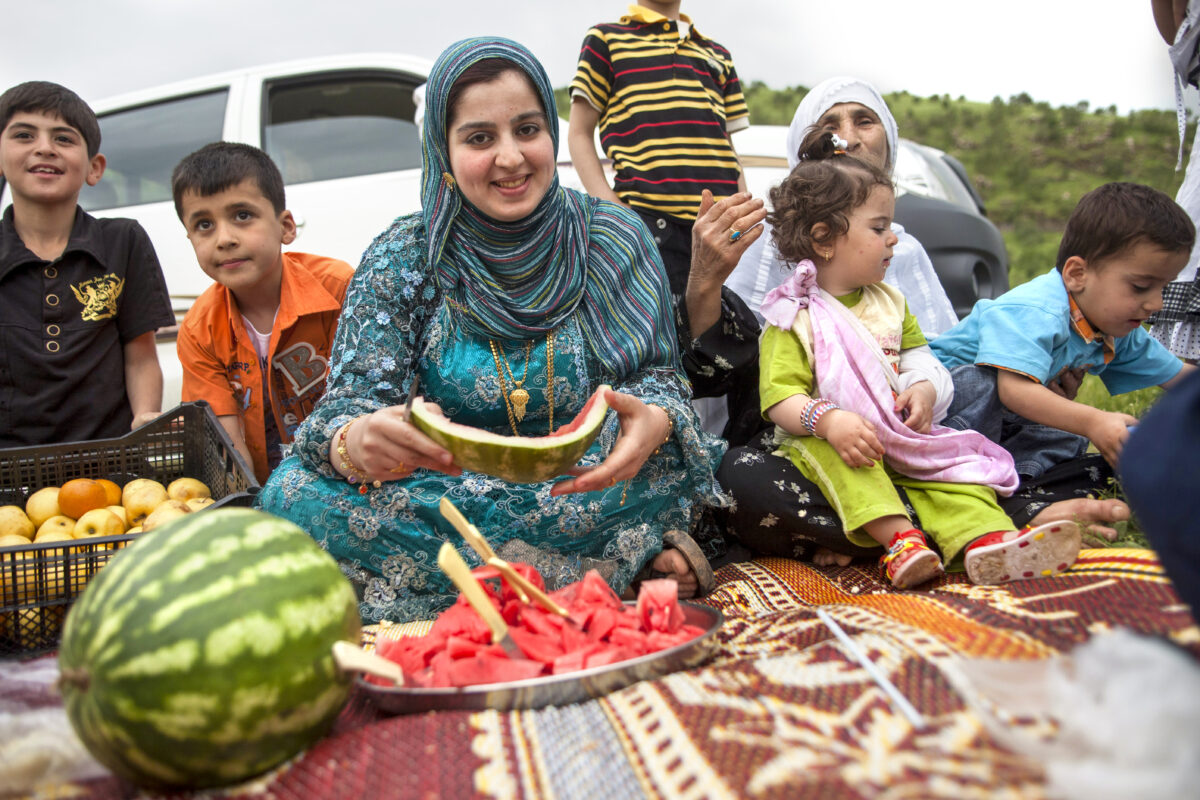
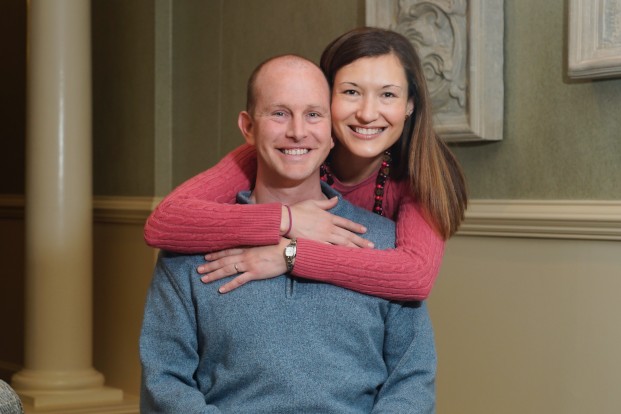
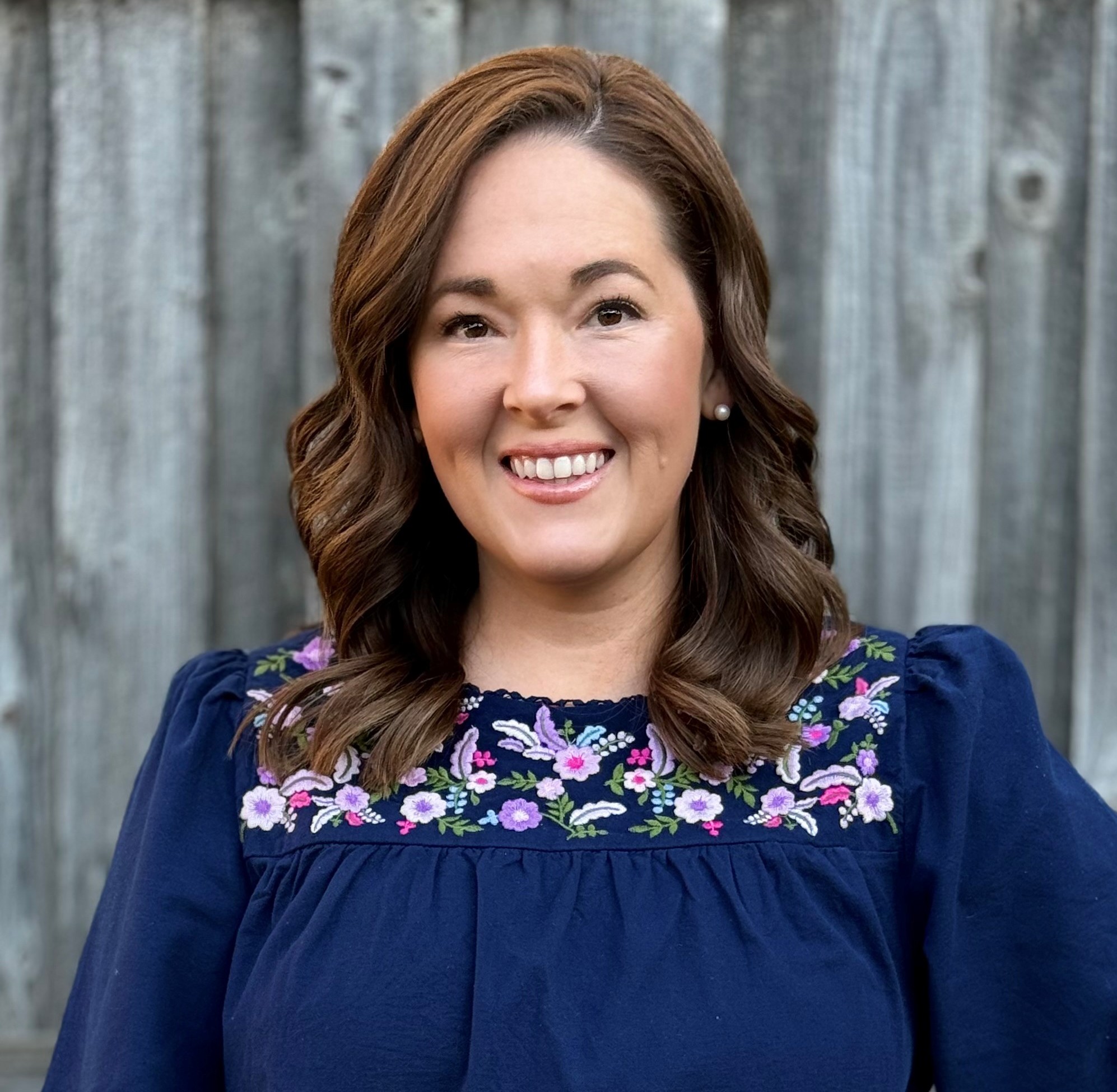
When Allison knew she needed to leave her work with Central Asians overseas, she was conflicted. She’d spent nearly 14 years living among Central Asians, getting to know their families and learning their culture. As she invested in their joys and worries, confidences and fears, she shared the gospel. As God opened doors, they studied Scripture together and celebrated baptisms. She poured her life into her Central Asian friends so that they’d come to know the truth of the gospel.
She wrestled with the decision to come home. Her parents were aging, and she knew they needed her care. At the same time, she still felt called to the nations and her Central Asian friends.
Ultimately, she made the decision to return to the U.S.
God was working behind the scenes, opening doors before she even returned. After she left the field, the IMB formed the diaspora mobilization team. Leadership recognized that her years of experience working among Central Asians could be used to serve here, just like she’d prayed.
With a renewed commitment to assist churches in connecting with internationals, the International Mission Board, North American Mission Board, Send Relief, and Woman’s Missionary Union are uniting to better serve churches focusing on the missionary task in their communities. Allison is an integral part of that as one of the senior diaspora mobilization strategists on the newly formed IMB team. This team is part of a bigger partnership between Southern Baptist entities, seminaries, state conventions, and associations.
“Leaving the field, I somewhat felt like I was leaving the nations behind. But I was reminded that God’s vision is much bigger than ours; He weaves our lives into the expansion of His kingdom effortlessly, no matter where we find ourselves.
“It’s undeniable that the nations are here. Truly, from the ends of the earth, God has placed them in communities across the U.S., many on the doorsteps of our churches. The question is how these churches will respond?”
She’s grateful her team is tasked with assisting Southern Baptists, as they recognize and reach out to diaspora communities around them.
“And it’s our great pleasure to do so, because if not the church, then who?” she added.
As a field alumnus, her role in reaching the nations is far from over. She is uniquely gifted to lead and help U.S. churches engage the nations that have come to their front door.
To learn more about the diaspora mobilization team and how God can use your past field experiences among diaspora communities here in the U.S., visit dmcollective.org.
When Allison knew she needed to leave her work with Central Asians overseas, she was conflicted. She’d spent nearly 14 years living among Central Asians, getting to know their families and learning their culture. As she invested in their joys and worries, confidences and fears, she shared the gospel. As God opened doors, they studied Scripture together and celebrated baptisms. She poured her life into her Central Asian friends so that they’d come to know the truth of the gospel.
She wrestled with the decision to come home. Her parents were aging, and she knew they needed her care. At the same time, she still felt called to the nations and her Central Asian friends.
Ultimately, she made the decision to return to the U.S.
God was working behind the scenes, opening doors before she even returned. After she left the field, the IMB formed the diaspora mobilization team. Leadership recognized that her years of experience working among Central Asians could be used to serve here, just like she’d prayed.
With a renewed commitment to assist churches in connecting with internationals, the International Mission Board, North American Mission Board, Send Relief, and Woman’s Missionary Union are uniting to better serve churches focusing on the missionary task in their communities. Allison is an integral part of that as one of the senior diaspora mobilization strategists on the newly formed IMB team. This team is part of a bigger partnership between Southern Baptist entities, seminaries, state conventions, and associations.
“Leaving the field, I somewhat felt like I was leaving the nations behind. But I was reminded that God’s vision is much bigger than ours; He weaves our lives into the expansion of His kingdom effortlessly, no matter where we find ourselves.
“It’s undeniable that the nations are here. Truly, from the ends of the earth, God has placed them in communities across the U.S., many on the doorsteps of our churches. The question is how these churches will respond?”
She’s grateful her team is tasked with assisting Southern Baptists, as they recognize and reach out to diaspora communities around them.
“And it’s our great pleasure to do so, because if not the church, then who?” she added.
As a field alumnus, her role in reaching the nations is far from over. She is uniquely gifted to lead and help U.S. churches engage the nations that have come to their front door.
To learn more about the diaspora mobilization team and how God can use your past field experiences among diaspora communities here in the U.S., visit dmcollective.org.
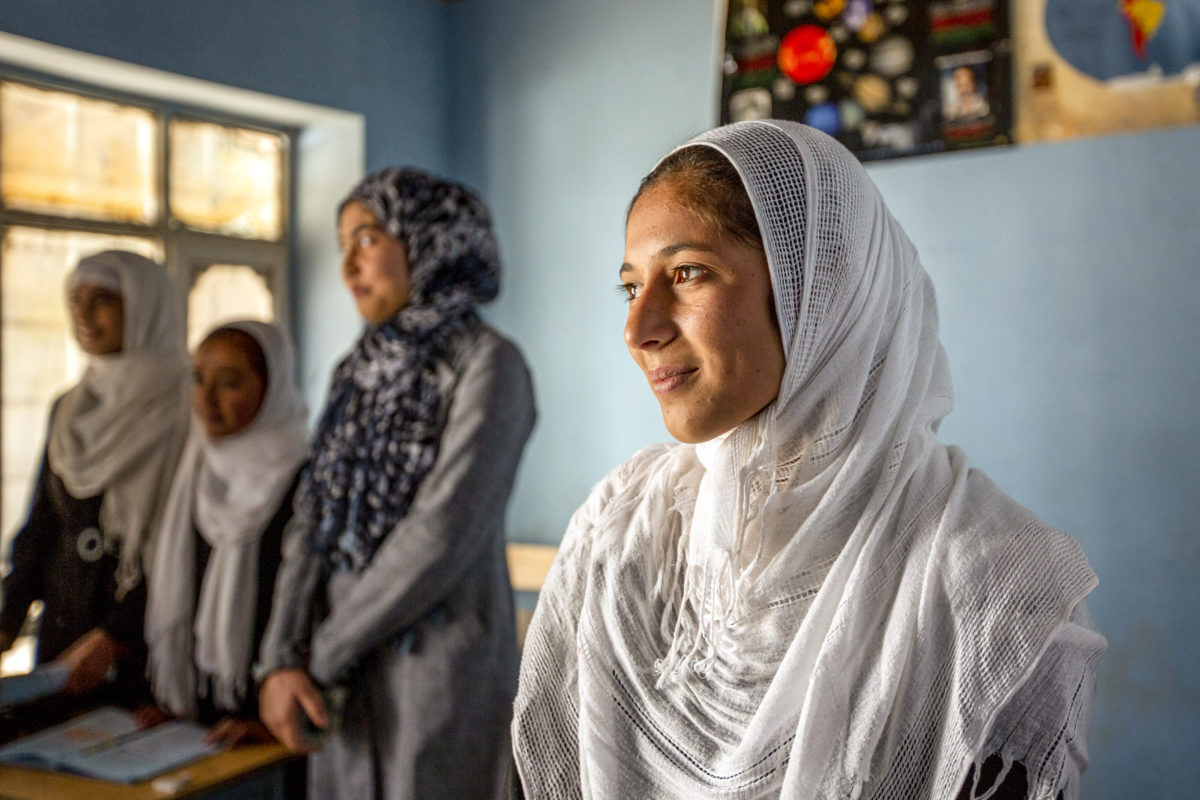
The Afghan refugee women gather in a room. It’s a safe space, a place where trauma can air, and hands can create beauty.
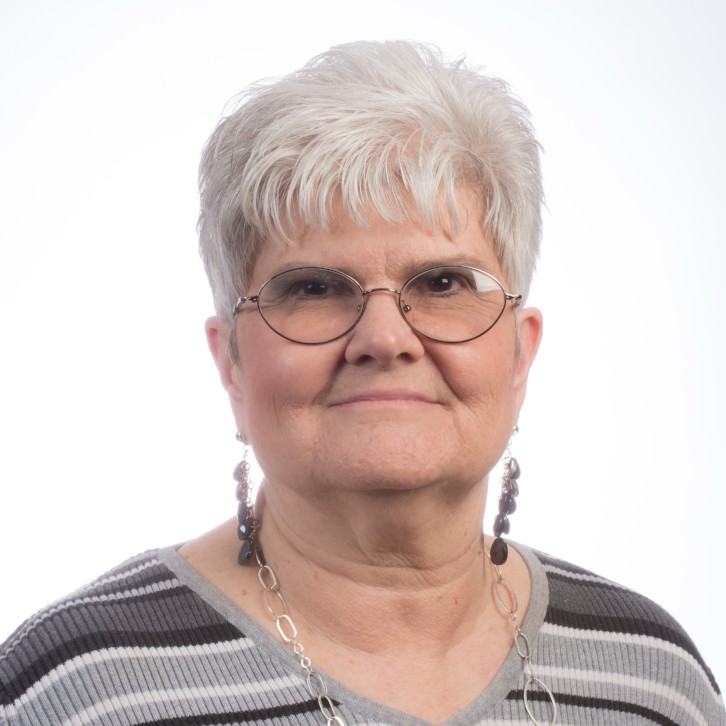
Ann Kent sits in this room; she listens and leads the women through a trauma-healing course. The women nod, identifying with the fictional internally displaced family in the story Ann shares. The stories of Joseph and Naomi, who were also strangers in another land, resonate with them.
Before this class, the women sat at home, depressed. Back home, they had houses and cars, and many had jobs before they were forced to leave everything behind. One of Ann’s friends now lives in a one-room house with her husband and four sons. At home, they had a four-story home, and she was a teacher.
Now, because of the mission of a non-profit, they have learned to sew and make purses that will give them a purpose and livelihood. They’re learning English and participate in a trauma healing class.
Ann’s nursing background comes in handy. She talks about heart wounds versus physical wounds. It’s both healing and important to share their struggles, the women learn through Ann.
In their culture, the expression “my heart is full,” often used in the West to describe being encouraged, does not have a positive connotation.
“In this culture, you say your heart is full, and that's a bad thing, because when you're sad, and when you're hurting, you want to empty your heart,” Ann explains.
One of the women tells Ann her heart is now empty of the pain she’d been holding on to.
“We go to the class, and we empty our hearts, and we just remember God is kind, and this isn't the end.”
For prayer requests unique to the affinity where you served, download the IMB Pray App below.
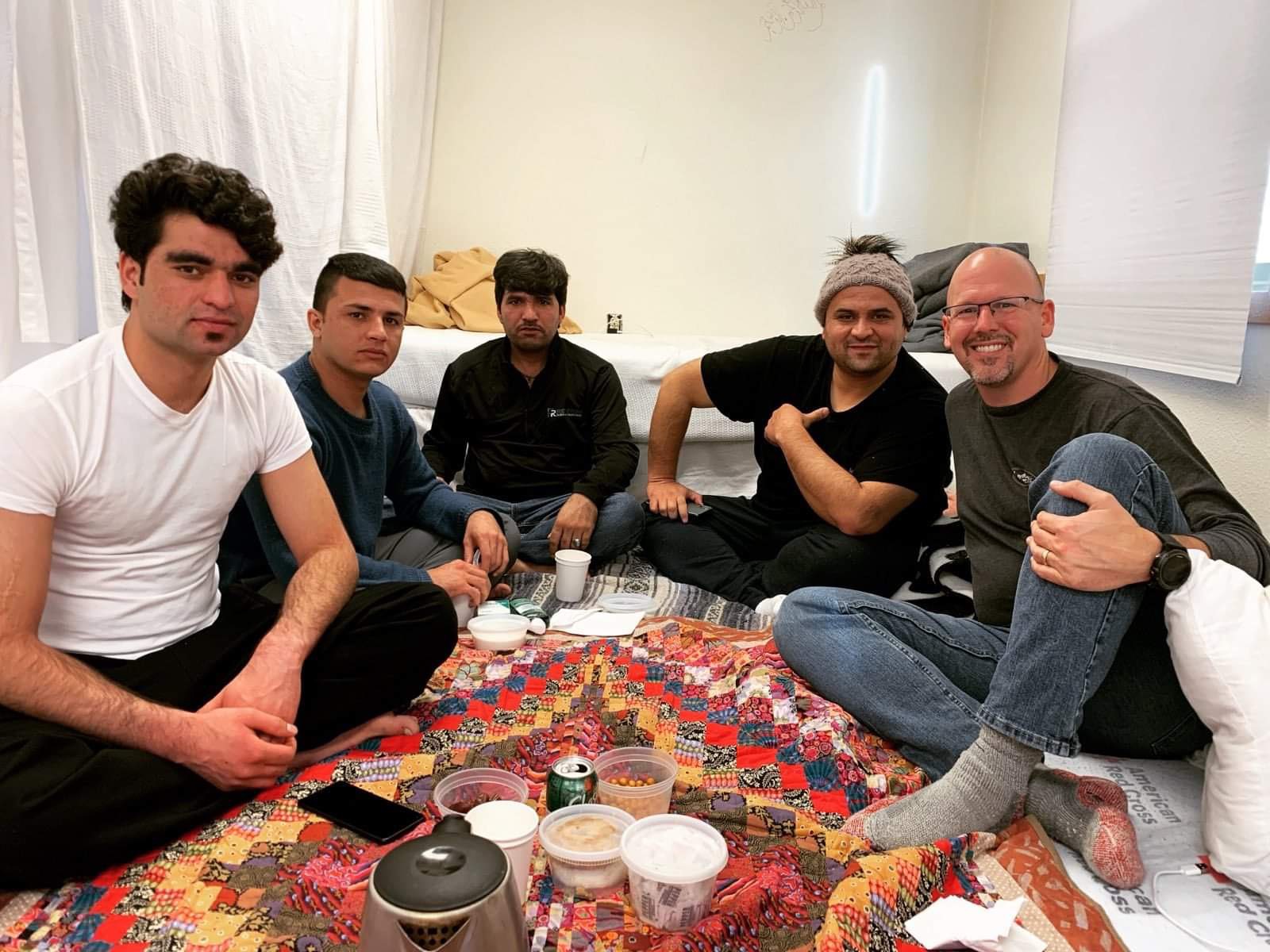
In this era of ministry, Will and Carol Smith focus on reaching people on the move. The Smiths served with the IMB in South Asia for 13 years, and their experience working with Hindus, Buddhists, and Muslims set them up for their current role working with the global diaspora.
They championed No Place Left (NPL), a ministry strategy whose ethos is to multiply disciples, churches, leaders, and movements until there is no place left without the gospel. This ethos continues to drive their ministry as IMB alumni.
Wherever they travel, they mentor and equip local believers to share, lead, and become a coordinator of mission strategy. Internationally, equipping believers has taken them to work with refugees on the border of Mexico, Poland, and Greece. In the U.S., the Smiths lead NPL and strategy coordinator trainings.
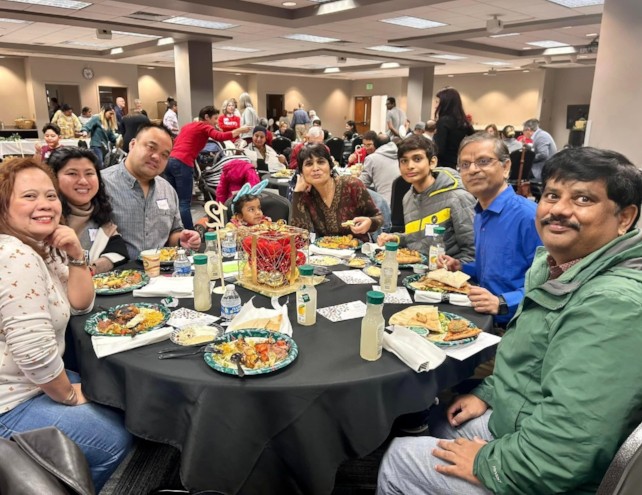
Dunwoody Baptist Church in the greater Atlanta area hosted an NPL training. The church was already engaged in community outreach among Hindus but needed effective ways to share the gospel. Indians in Atlanta from the state of Gujarat alone number 26,000. Many are economic and educational immigrants, filling medical, IT, and service industry jobs.
Will began coaching Dunwoody’s pastor, and they created a cohort of leaders to discover ways to minister to the Hindu population. Many of the leaders are Christian Indians who have a heart for reaching Hindu Indians.
“People who have pursued No Place Left in the U.S. are some of the best-prepared missionaries when they go overseas,” Will said. “When you add on the diaspora element to it, not only are they the best prepared in simple practices and sharing the gospel, making disciples, and planting simple churches, but if they also go the next step to trying to reach people outside their culture in Atlanta, Charlotte, Houston, or New York, now they're also prepared cross culturally.”
The Smiths would love to connect with IMB alumni not only to partner but find community, something they know many miss about the IMB. Contact them here: [email protected]
In this era of ministry, Will and Carol Smith focus on reaching people on the move. The Smiths served with the IMB in South Asia for 13 years, and their experience working with Hindus, Buddhists, and Muslims set them up for their current role working with the global diaspora.
They championed No Place Left (NPL), a ministry strategy whose ethos is to multiply disciples, churches, leaders, and movements until there is no place left without the gospel. This ethos continues to drive their ministry as IMB alumni.
Wherever they travel, they mentor and equip local believers to share, lead, and become a coordinator of mission strategy. Internationally, equipping believers has taken them to work with refugees on the border of Mexico, Poland, and Greece. In the U.S., the Smiths lead NPL and strategy coordinator trainings.
Dunwoody Baptist Church in the greater Atlanta area hosted an NPL training. The church was already engaged in community outreach among Hindus but needed effective ways to share the gospel. Indians in Atlanta from the state of Gujarat alone number 26,000. Many are economic and educational immigrants, filling medical, IT, and service industry jobs.
Will began coaching Dunwoody’s pastor, and they created a cohort of leaders to discover ways to minister to the Hindu population. Many of the leaders are Christian Indians who have a heart for reaching Hindu Indians.
“People who have pursued No Place Left in the U.S. are some of the best-prepared missionaries when they go overseas,” Will said. “When you add on the diaspora element to it, not only are they the best prepared in simple practices and sharing the gospel, making disciples, and planting simple churches, but if they also go the next step to trying to reach people outside their culture in Atlanta, Charlotte, Houston, or New York, now they're also prepared cross culturally.”
The Smiths would love to connect with IMB alumni not only to partner but find community, something they know many miss about the IMB. Contact them here: [email protected]
The best way to stay connected and ensure you learn about special opportunities in your area is to update your contact information.
Send us feedback, tell us about upcoming alumni gatherings, share about your ministry, request prayer, ask questions — we want to hear from you!
Are you a member of our Alumni Facebook Community?